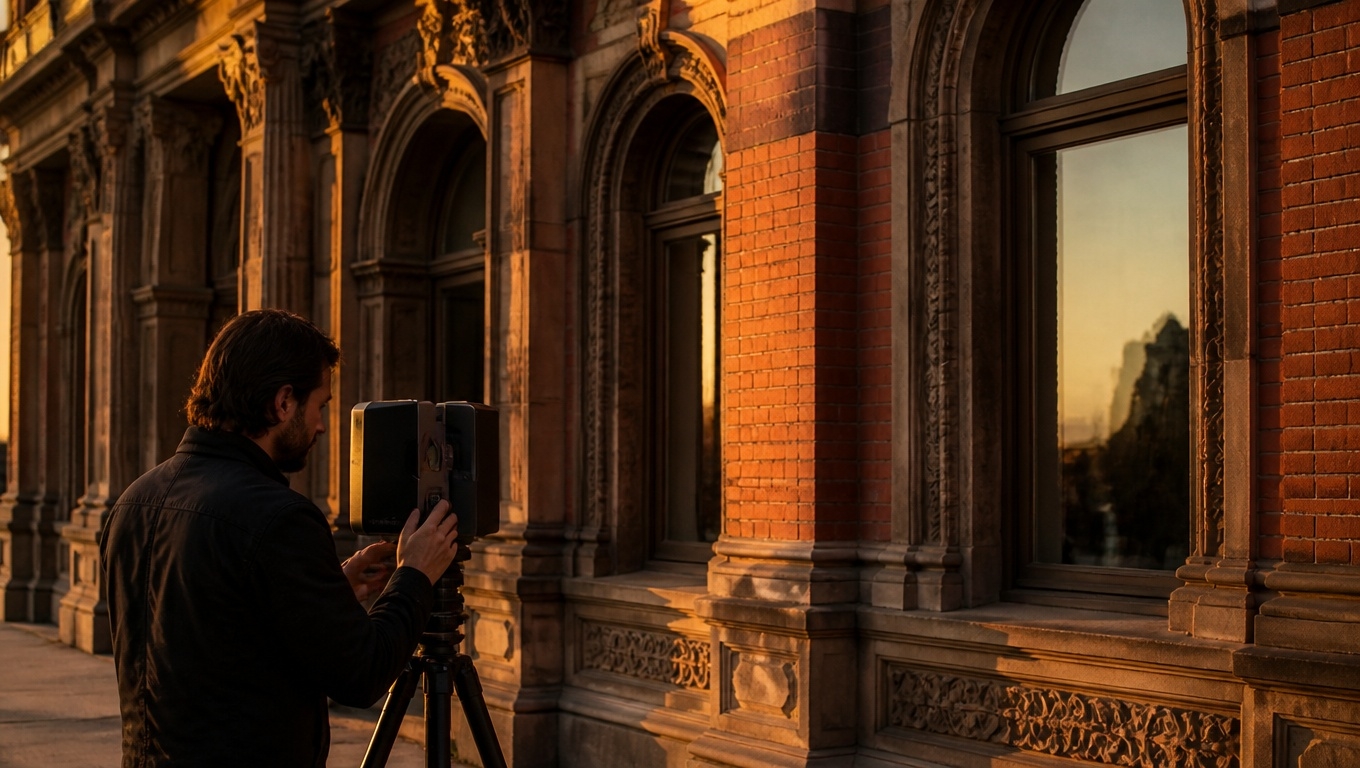
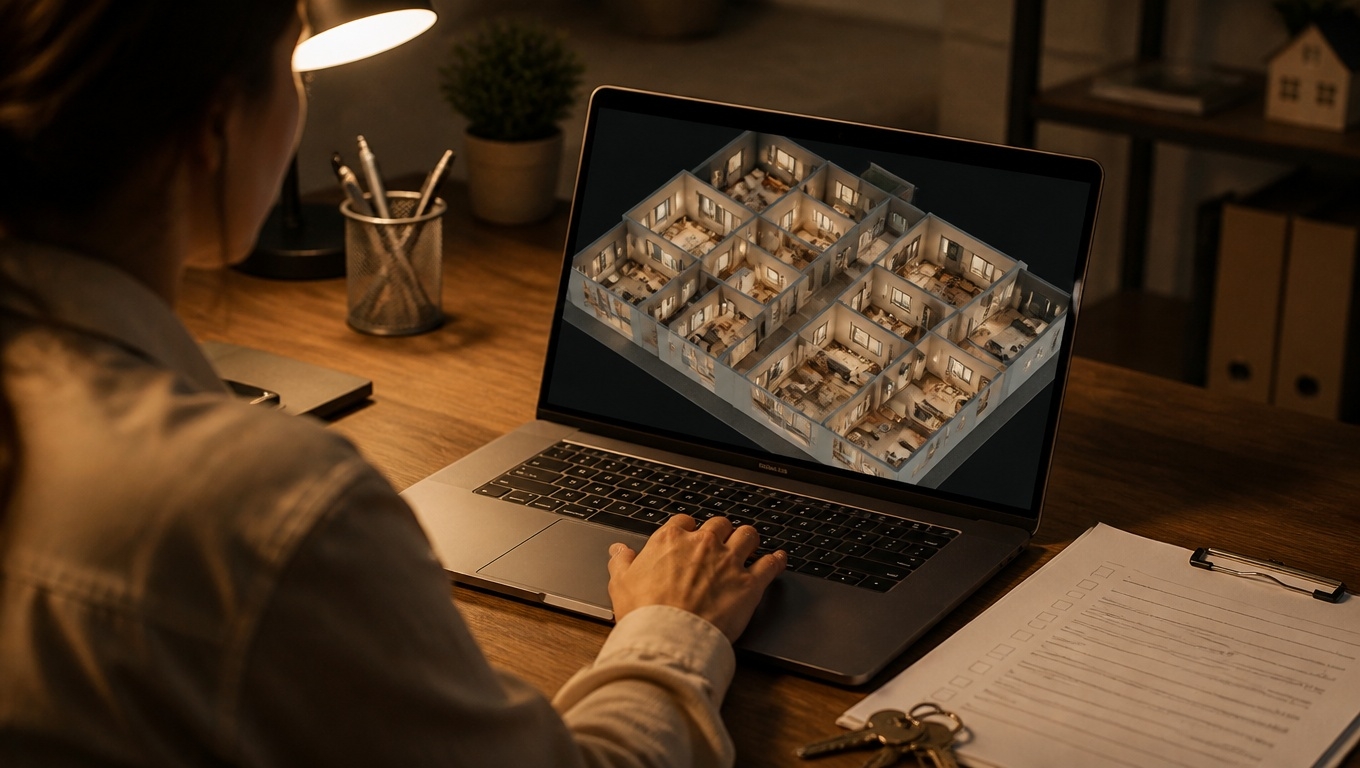
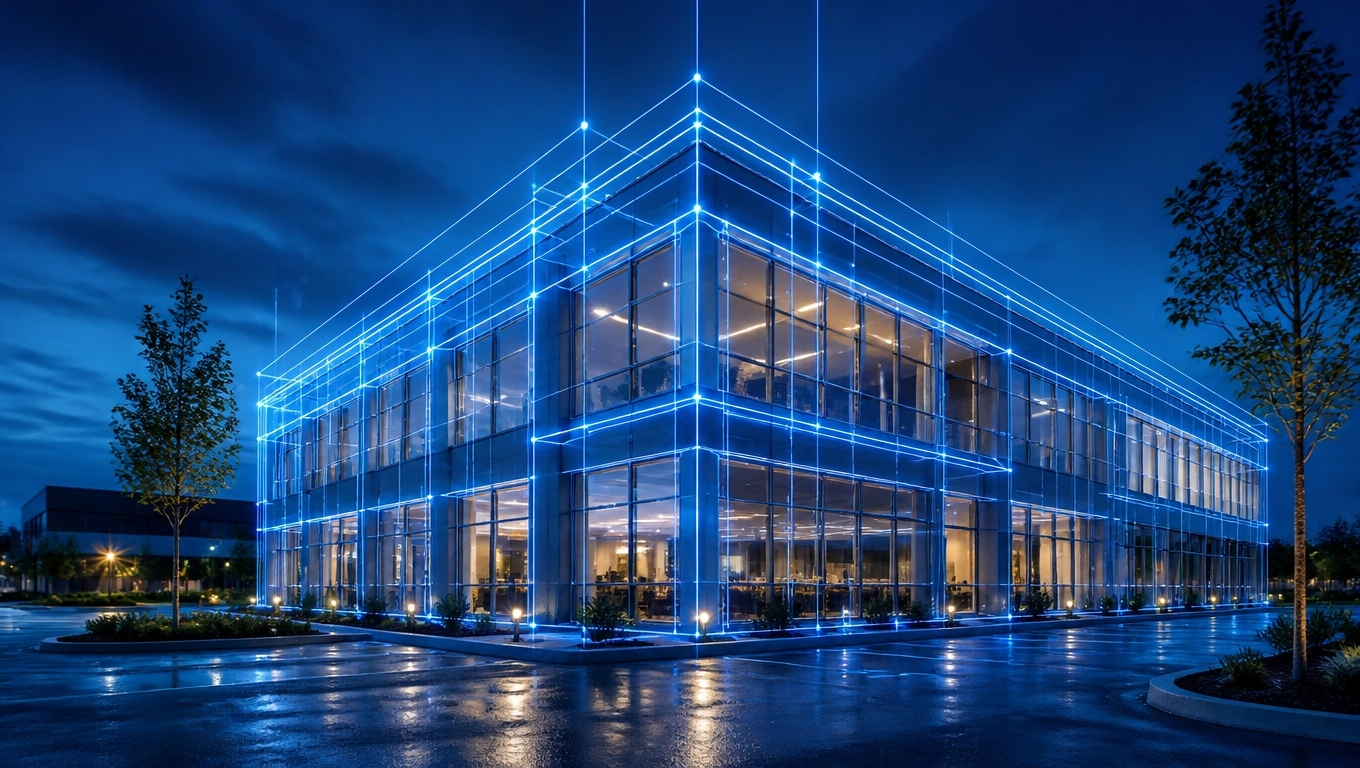
Hospitals are complex ecosystems. From multi-building campuses to phased renovations and specialty corridors, clarity is everything—for patients, clinicians, and administrators. 360 virtual tours now sit at the center of that clarity, bridging the gap between physical layout and digital assets so you can plan smarter, reduce confusion, and scale your content library.
At Invision Studio, our 360 virtual tour photographers recommend a layout-first approach that doubles as a future-proof digital asset strategy.
Why 360 Virtual Tours Belong in Your Hospital Layout and Digital Asset Plan
- Turn your facility into a living map: Visualize entrances, corridors, elevators, and service lines with intuitive, clickable wayfinding.
- Reduce anxiety and improve throughput: Patients and families can pre-orient to parking, check-in, and care areas before arrival.
- Create an evergreen content library: Capture high-resolution, brand-ready assets for web, social, recruiting, safety training, and donor communications.
- Document change over time: Use tours to track renovations, expansions, and equipment updates—building a visual, time-stamped record.
Our 360 virtual tour photographers recommend aligning each scene to a known patient or staff journey so the tour instantly mirrors real-world decisions.
Map the Hospital Experience with Visual Wayfinding
Great hospital layout is more than a floor plan—it’s the lived route from “Where do I park?” to “Which elevator gets me to Imaging?” A 360 virtual tour turns static maps into an intuitive, navigable guide.
- Entrance-to-exam routing: Mark parking lots, entrances, reception, elevators, and key destinations with clear labels and icons.
- ADA-compliant paths: Highlight accessible routes, ramps, door widths, and elevators with step-free overlays and captions.
- Time-saving shortcuts: Surface “fast paths” for common use cases (maternity check-in, pediatric urgent care, lab draws).
- Signage audits: Use scenes to evaluate sign placement and readability; update digital wayfinding before printing new signs.
Our 360 virtual tour photographers recommend embedding smart “Start Here” scenes on service-line pages (e.g., Imaging, Maternity, Oncology) to align layout guidance with intent.
From Floor Plan to Digital Twin: Operational Benefits
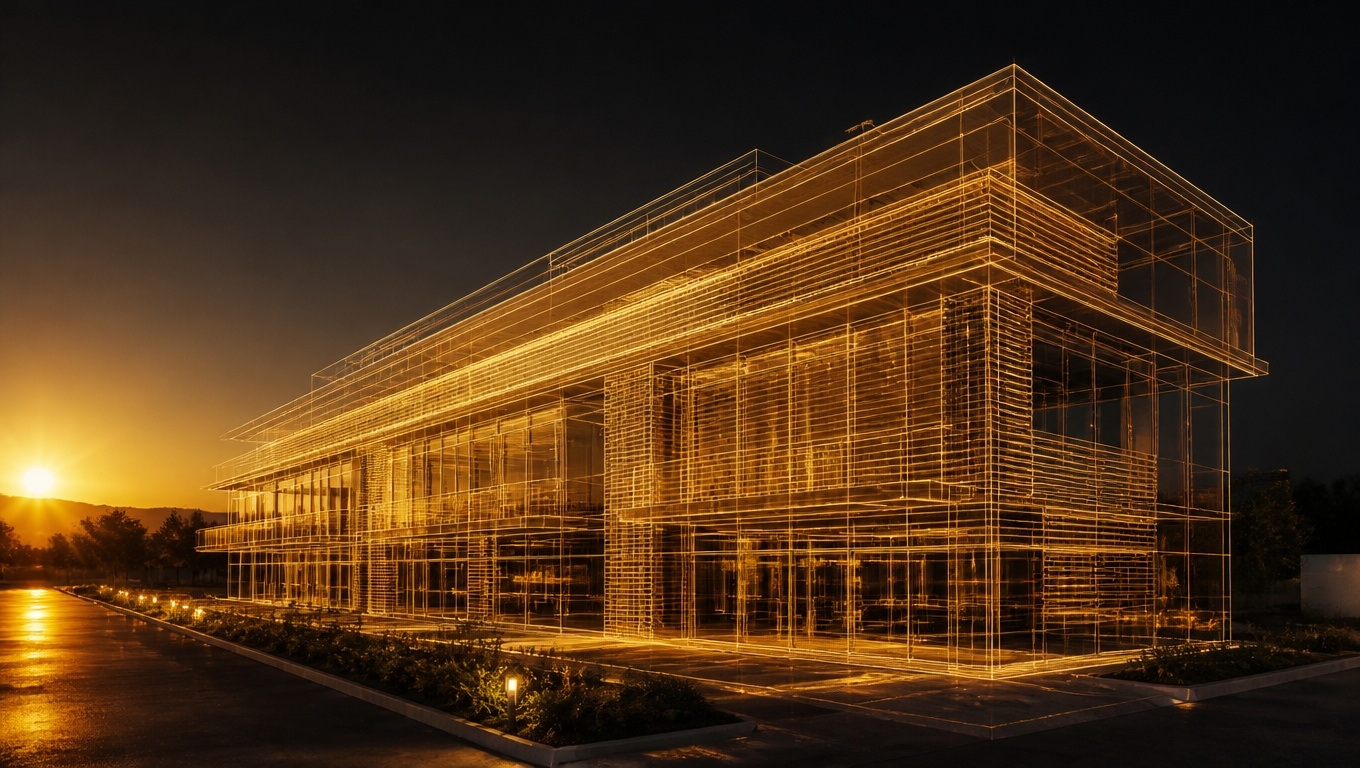
360 tours sit neatly alongside BIM and facilities systems, offering an approachable, visual layer for non-technical stakeholders.
- Pre-vis for renovations: Share proposed flows with clinicians and leadership, gather feedback, and reduce rework.
- Capacity and throughput: Visualize waiting areas, staging zones, and staff-only corridors to optimize patient flow.
- Infection control orientation: Show traffic separation, negative-pressure rooms, and donning/doffing spaces during outbreaks or policy updates.
- Emergency preparedness: Provide agency partners with layout familiarity for drills and real events.
Our 360 virtual tour photographers recommend pairing each clinical scene with “What to expect” notes in plain language to improve staff and patient compliance.
Build a High-Value Digital Asset Library
A hospital tour is more than an immersive experience; it’s a steady pipeline of reusable media.
- Consistent, on-brand imagery: Capture HDR stills, micro-clips, and room panoramas during the tour shoot to populate websites, brochures, and recruitment pages.
- DAM-ready metadata: Tag by department, room type, accessibility features, equipment, building, and update date for quick retrieval.
- Multilingual layers: Offer translated captions for the top languages in your community.
- Rapid content refreshes: Update individual scenes or hotspots as departments evolve without reshooting the entire campus.
Our 360 virtual tour photographers recommend a naming convention that starts with campus > building > floor > department > room, plus date and privacy indicators, to keep your digital assets searchable at scale.
Privacy, Accessibility, and Clinical Sensitivity
Hospitals must lead with compliance and compassion. Get the safeguards right upfront.
- HIPAA and privacy: Film during off-hours; avoid capturing PHI; blur monitors, badges, and faces as needed; post filming notices.
- Safety and infection control: Coordinate with unit leadership; sanitize gear; limit crew; adhere to PPE protocols.
- WCAG accessibility: Provide keyboard navigation, high-contrast UI, alt text for images, transcripts for audio, and audio descriptions where applicable.
- Role-based versions: Offer public, staff, and partner versions with tailored access and content.
Our 360 virtual tour photographers recommend a privacy walk-through with compliance teams before production and a final review before publishing.
SEO and Discoverability: Make Your Layout and Assets Work Harder
Treat your tour as a core part of your web ecosystem to amplify reach and conversions.
- Service-line embeds: Place department-specific tours on Imaging, Maternity, Cardiology, and Surgery pages to match search intent.
- Google Business Profile: Link to relevant scenes (Emergency, Urgent Care, Outpatient Surgery) to reduce friction from search to action.
- Schema and alt text: Use descriptive captions and schema markup for medical facilities and locations; keep language patient-friendly.
- Performance optimization: Lazy-load scenes, compress assets, and leverage CDN hosting for fast, mobile-first experiences.
Our 360 virtual tour photographers recommend adding UTM parameters to all in-tour CTAs so you can attribute calls, appointments, and direction requests back to the tour.
Implementation Roadmap with Invision Studio
- Discovery and goals: Define primary use cases—layout orientation, staff onboarding, renovation previews, donor updates—and set KPIs.
- Shot list and storyboards: Map scenes to patient and staff journeys; plan wayfinding overlays and accessibility notes.
- Pre-production: Schedule off-hours capture, prep spaces, confirm privacy zones, finalize naming conventions and metadata.
- Production: Efficient, low-impact capture across priority areas; collect stills and micro-clips for your broader asset library.
- Post-production: HDR stitching, color accuracy, privacy blurring, branded UI, alt text, multilingual support, and DAM-ready exports.
- Launch and integration: Embed on site, service lines, intranet, and recruitment pages; link from Google Business Profiles; share via email and social.
- Measure and iterate: Review heatmaps, drop-off points, and CTA clicks; update scenes and copy quarterly or as changes occur.
Our 360 virtual tour photographers recommend piloting one building or flagship service line to prove ROI, then scaling across the campus or health system.
Metrics That Matter
- Engagement: Time-on-tour, scene depth, and hotspot interactions.
- Wayfinding effectiveness: Pre-visit tour completion correlated with reduced late arrivals or misrouted patients.
- Conversion actions: Appointment requests, direction clicks, phone calls, and referral submissions from in-tour CTAs.
- Asset utilization: Number of repurposed images/videos across web, social, and internal training.
Our 360 virtual tour photographers recommend comparing patient satisfaction and first-visit orientation scores before and after launch to quantify impact.
Why Hospitals Choose Invision Studio
- Healthcare-aware workflows: HIPAA-conscious production, privacy-first post, and infection-control coordination.
- Layout clarity + content scale: One project delivers an interactive map and a robust, searchable digital asset library.
- Brand-consistent design: Custom UI, colors, fonts, and CTAs aligned to system guidelines.
- Enterprise delivery: Fast hosting, analytics, multilingual support, and DAM integrations.
Our 360 virtual tour photographers recommend a quarterly refresh cadence for high-traffic departments and a biannual campus review to keep your tour and assets current.
Get Started
If you’re ready to turn your hospital layout into a clear, navigable experience—and build a high-value digital asset library along the way—Invision Studio can help.
Our 360 virtual tour photographers will plan, capture, and deliver a compliant, accessible tour that supports patients, staff, and administrators alike. Let’s map your facility, organize your assets, and measure the results.